
Business
Dear Annie: I spend thoughtfully on gifts, but my wealthy friends give me leftovers
By Victor Alvarez
Advertisement · Why this ad?
Samantha Bell is a business reporter with a focus on technology and innovation in the Toledo area. She holds a Master’s degree in Journalism from Kent State University and has worked for local tech blogs in the past. Samantha is passionate about how technology impacts local businesses and has a knack for making tech topics accessible.
More from Samantha →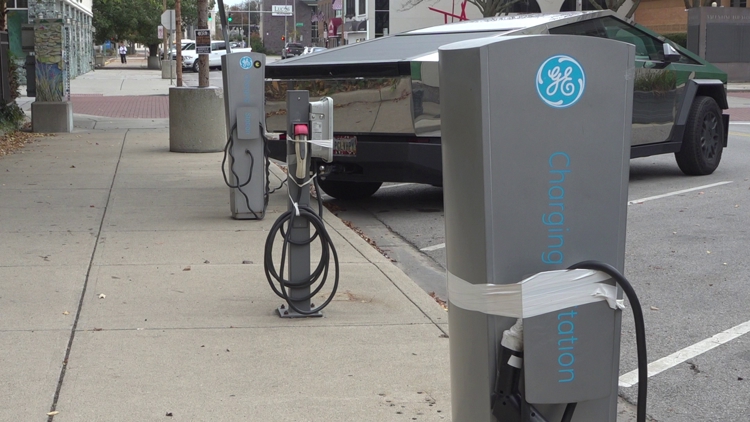
On a crisp autumn morning in downtown Toledo, Sarah Jenkins, a local nurse, pulled up to the familiar charging station on North Superior Street, only to find her hopes of a quick top-up dashed by a broken connector. Her story echoes that of many residents and visitors who rely on the city’s electric vehicle infrastructure to keep their eco-friendly commitments moving forward. The city’s recent announcement to replace these vital chargers highlights both the challenges and the community’s commitment to sustainable growth and clean transportation.
Since early September, two of the three free electric vehicle (EV) chargers along North Superior Street have been out of service, leaving drivers frustrated and concerned about the reliability of Toledo’s EV infrastructure. The outage was initially attributed to equipment failure, but the issue persisted, prompting city officials to take decisive action. The problem underscores a broader challenge faced by many municipalities: maintaining aging infrastructure amid increasing demand for electric mobility.
In response, Toledo’s Department of Public Service announced a plan to invest $6,500 to replace the broken chargers with new, state-of-the-art units. This investment aims not only to restore service but also to demonstrate Toledo’s commitment to supporting environmentally friendly transportation options. The timing is especially critical as more residents consider switching to electric vehicles, driven by rising fuel costs and state incentives for clean energy.
The outage has had tangible effects on local families and commuters. For many, these chargers are more than just convenience—they are essential tools in reducing carbon footprints and supporting a lifestyle rooted in faith and stewardship of God’s creation. The disruption has led to longer wait times at other stations and has raised questions about the long-term maintenance of the city’s EV infrastructure.
This situation is particularly significant in Toledo, a city with a rich industrial history that is now pivoting toward sustainable development. Historically, Toledo has been known as a manufacturing hub, with companies like Jeep and Owens Corning contributing to its economic foundation. Today, the city is actively working to diversify its economy by investing in green initiatives, including EV infrastructure, to attract new residents and businesses committed to environmental stewardship.
Local residents, including business owners and environmental advocates, have expressed both concern and hope regarding the upcoming upgrades. “We’re glad the city is finally addressing these issues,” said Mark Reynolds, owner of a nearby coffee shop. “It’s important for our community to see that Toledo is serious about building a sustainable future, especially for our children and grandchildren.”
Many drivers have shared stories of how unreliable chargers can disrupt their daily routines. Lisa Martinez, a mother of three, explained, “We’re trying to teach our kids the importance of caring for God’s earth, and reliable EV charging stations are part of that. We’re encouraged by the city’s quick response.” The community’s response reflects a shared value: a desire to grow in faith and environmental stewardship while supporting economic vitality through green initiatives.
Furthermore, local churches and faith-based organizations have begun to incorporate sustainability into their teachings, emphasizing the importance of caring for creation as a spiritual duty. Toledo’s Catholic and Protestant communities have hosted forums on environmental responsibility, tying faith to practical action like upgrading infrastructure and promoting clean transportation.
By allocating funds for new EV chargers, Toledo is taking a proactive step toward modernizing its infrastructure. The replacement process is expected to be completed within the next few weeks, ensuring residents and visitors can confidently rely on these stations. City officials also plan to monitor the new chargers closely, with regular maintenance checks to prevent future outages.
Looking ahead, the city’s investment signals a broader commitment to sustainable development. Toledo’s leadership is exploring additional incentives and infrastructure projects to encourage electric vehicle adoption, which aligns with regional and state-wide efforts to reduce greenhouse gas emissions. As families and faith communities rally behind these initiatives, Toledo continues to demonstrate that a cleaner, greener city is within reach through faith-based stewardship and community collaboration.
Toledo’s efforts are part of a larger regional push to combat climate change and improve urban sustainability. Ohio has set ambitious goals to reduce greenhouse gas emissions by 20% below 2005 levels by 2030, and cities like Toledo are key players in this effort. The Ohio Environmental Protection Agency (EPA) has been actively funding local projects, including EV charging stations, to meet these targets.
In nearby communities such as Ann Arbor and Cleveland, similar investments are underway, creating a network of accessible, reliable charging options that make electric vehicle ownership more feasible for everyday residents. Toledo’s initiative to upgrade its chargers aligns with these regional efforts, fostering a collaborative approach to environmental stewardship across Ohio.
Toledo’s city officials are also planning community outreach programs to educate residents about the benefits of electric vehicles and available incentives. Workshops, school programs, and faith-based initiatives aim to foster a culture of sustainability rooted in community values. This approach recognizes that infrastructure alone isn’t enough; fostering a mindset of environmental responsibility is equally vital.
Furthermore, the city is exploring partnerships with local universities, such as the University of Toledo, to develop innovative solutions for sustainable transportation. These collaborations could include research into more durable charging infrastructure, renewable energy integration, and smart grid technology, ensuring Toledo remains at the forefront of green urban development.
The outage has had tangible effects on local families and commuters. For many, these chargers are more than just convenience—they are essential tools in reducing carbon footprints and supporting a lifestyle rooted in faith and stewardship of God’s creation. The disruption has led to longer wait times at other stations and has raised questions about the long-term maintenance of the city’s EV infrastructure.
This situation is particularly significant in Toledo, a city with a rich industrial history that is now pivoting toward sustainable development. Historically, Toledo has been known as a manufacturing hub, with companies like Jeep and Owens Corning contributing to its economic foundation. Today, the city is actively working to diversify its economy by investing in green initiatives, including EV infrastructure, to attract new residents and businesses committed to environmental stewardship.
Local leaders have stepped up to emphasize the importance of resilient infrastructure. Mayor Wade Kapszukiewicz has publicly committed to making Toledo a leader in green transportation. “Investing in reliable EV chargers is more than just fixing broken equipment; it’s about building a sustainable future for our children,” he stated during a recent press conference.
Community organizations, including the Toledo Environmental Council, have been instrumental in advocating for increased investments in clean transportation. Their ongoing campaigns aim to raise awareness about the importance of reducing emissions and supporting local green jobs, creating a ripple effect that encourages residents to consider electric vehicles as a viable alternative.
City officials are optimistic that the new chargers will be operational soon, with the installation process scheduled to conclude within the next few weeks. Once installed, the city plans to implement a regular maintenance schedule, including routine inspections and prompt repairs, to ensure these stations remain functional and reliable.
In addition, Toledo is considering expanding its EV infrastructure beyond downtown, targeting other neighborhoods and public spaces such as parks, schools, and shopping centers. This expansion aims to make electric vehicle charging more accessible and convenient, encouraging broader adoption among residents.
As the city continues to develop its green initiatives, public feedback will play a crucial role. Toledo’s Department of Public Service has set up channels for residents to report issues and suggest improvements, fostering a community-driven approach to sustainable development. This ongoing dialogue ensures that the city’s infrastructure keeps pace with the needs and expectations of its citizens.
Ultimately, Toledo’s investment in EV infrastructure exemplifies its broader vision of a resilient, sustainable, and faith-driven community. By prioritizing environmental stewardship alongside economic growth, the city hopes to inspire other municipalities in Ohio and beyond to follow suit, creating a cleaner, healthier future for generations to come.
By Victor Alvarez
By Victor Alvarez
By Rachel Thompson

By Rachel Thompson