Community
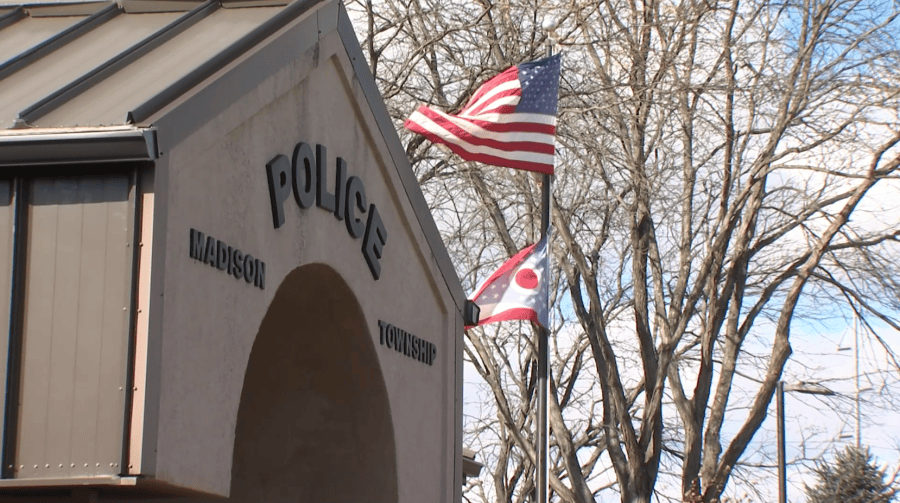
Madison Township voters reject police levy, approve fire levy
By Lila Washington
Advertisement · Why this ad?
Rachel Thompson is a dedicated community reporter with a focus on neighborhood initiatives and local events. She graduated from the University of Michigan in Ann Arbor and spent several years with the Detroit News before returning to her hometown of Toledo. Rachel is deeply invested in the community and enjoys telling stories that highlight local heroes and grassroots movements.
More from Rachel →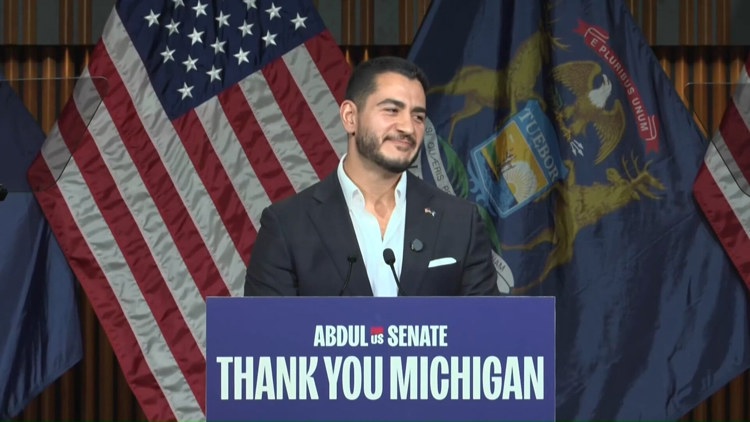
On a bright spring evening in Toledo, community members gathered with hopeful hearts and proud smiles, celebrating a milestone that signifies progress and unity. Abdul El-Sayed’s historic election to the U.S. Senate has resonated deeply within Toledo’s Muslim community, inspiring both young and old to dream bigger and believe in the promise of genuine representation. This moment reflects not only a political breakthrough but also a broader narrative about diversity, perseverance, and the evolving fabric of Ohio’s communities.
Abdul El-Sayed’s recent victory in the Ohio Senate race marks a significant milestone for Muslim Americans and minority communities across the state. Born in Detroit and trained as a physician and public health expert, El-Sayed’s campaign was rooted in themes of justice, healthcare reform, and equality—values that resonate strongly with Toledo’s diverse and growing population. His win not only broke barriers but also sent a powerful message about the importance of diverse voices in government, challenging stereotypes and expanding the narrative of who can serve at the highest levels.
Leaders with the United Muslims Association of Toledo emphasized how El-Sayed’s success exemplifies what can be achieved through faith, determination, and community solidarity. They see his victory as a testament to the American dream—where anyone, regardless of background or faith, can aspire to serve and lead. The community’s celebration was not just about politics; it was about hope and the ongoing journey toward true equality, especially in a city that has historically been a melting pot of cultures and faiths.
Toledo’s Muslim community has experienced significant growth over the past decade, reflecting broader demographic shifts across Ohio and the Midwest. Historically, Toledo has been a hub for manufacturing and industry, attracting immigrant workers from around the world seeking economic opportunities. In recent years, this has translated into a more diverse population, including a substantial Muslim community that has established mosques, cultural centers, and community organizations dedicated to fostering faith, education, and civic engagement.
According to recent census estimates, Toledo’s Muslim population has expanded considerably, with neighborhoods like East Toledo and the West End becoming vibrant centers of cultural diversity. This demographic evolution has prompted local leaders and organizations to advocate for greater inclusion, representation, and support for minority communities, recognizing their vital role in shaping Toledo’s future. El-Sayed’s election is viewed as a reflection of these ongoing efforts and a sign that Toledo’s diverse voices are increasingly being heard on state and national stages.
The response across Toledo has been one of pride, hope, and renewed optimism. Community leaders, faith leaders, and families gathered at mosques and cultural centers to celebrate this milestone. “Abdul El-Sayed’s victory is a victory for all of us,” said Imam Kareem Johnson of the Toledo Islamic Center. “It shows that when we stay committed to our values and work together, we can break down walls and build bridges.”
Many residents expressed their hopes that this victory will inspire more Muslim Americans and minority groups to engage actively in civic life. “It’s about representation,” shared Fatima Ahmed, a mother of three and community volunteer. “Our children need to see that their faith and background are assets, and that they too can aspire to serve their country.” This sentiment underscores a broader desire within Toledo’s Muslim community to see increased participation in local, state, and national politics.
Local organizations like the United Muslims Association of Toledo have long worked to elevate Muslim voices in civic affairs, advocating for increased voter registration and participation. Their efforts aim to ensure that the community’s interests are represented at every level of government, from city councils to state legislatures and beyond. El-Sayed’s success is viewed as a validation of those grassroots efforts, reinforcing the importance of civic engagement and community activism in building a more inclusive Toledo.
This historic win also challenges stereotypes and misconceptions about Muslims and minorities in America. It demonstrates that faith and cultural identity are not barriers but sources of strength and resilience. Toledo, known for its industrial roots and evolving diversity, is increasingly seen as a microcosm of a changing America—one where inclusion and representation are becoming the norm rather than the exception.
The celebration of El-Sayed’s victory is also a reflection of Toledo’s broader cultural landscape, which includes a rich tapestry of faiths, ethnicities, and traditions. The city’s residents are gradually embracing multiculturalism as a strength, fostering dialogues around faith, community, and shared values. This evolving identity is vital as Toledo continues to navigate economic challenges, demographic shifts, and the need for social cohesion.
Looking ahead, Toledo’s Muslim community is energized to continue advocating for justice, equality, and faith-based values. Leaders are planning initiatives to encourage civic engagement among youth and to foster greater understanding across different faiths and backgrounds. El-Sayed’s success has ignited a sense of possibility that extends beyond politics—into education, community service, and interfaith dialogue.
Local schools and community centers are developing programs aimed at empowering young Muslims and other minority youth to participate actively in civic life. These initiatives include leadership workshops, mentorship programs, and cultural competency training designed to foster mutual respect and understanding among Toledo’s diverse residents. Such efforts are crucial in nurturing future leaders who can carry forward the values of inclusion and civic responsibility.
Furthermore, the community is preparing for a series of interfaith events scheduled throughout the year, aiming to promote dialogue, cooperation, and shared values among Toledo’s various religious groups. These efforts are vital in a city where multiculturalism is increasingly seen as a strength rather than a challenge, helping to build bridges across faiths and communities.
In addition, local political groups are strategizing to support future candidates from diverse backgrounds, recognizing that representation at all levels of government is essential for a truly inclusive city. As Toledo continues to grow and evolve, stories like El-Sayed’s serve as a reminder that progress is possible when communities unite around shared goals and values.
Finally, the community is hopeful that El-Sayed’s victory will inspire broader policy changes that benefit marginalized groups, including increased access to healthcare, education, and economic opportunities. His campaign emphasized these issues, resonating with many Toledo residents who face economic challenges and disparities. The hope is that his success will translate into tangible improvements for Toledo’s underserved populations, ensuring that the city’s growth benefits everyone.
As Toledo’s story unfolds, one thing remains clear: the city stands at a crossroads of opportunity and challenge. With continued effort, unity, and faith, the community is poised to shape a more inclusive and equitable future for generations to come.
By Lila Washington

By Rachel Thompson

By Rachel Thompson

By Rachel Thompson