Community
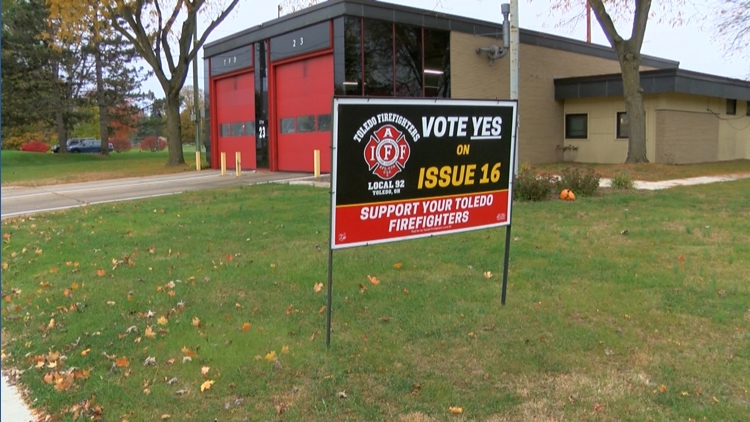
Why are pools and youth programs part of Toledo's Issue 16? Here's what could be cut if the levy fails
By Rachel Thompson
Advertisement · Why this ad?
Rachel Thompson is a dedicated community reporter with a focus on neighborhood initiatives and local events. She graduated from the University of Michigan in Ann Arbor and spent several years with the Detroit News before returning to her hometown of Toledo. Rachel is deeply invested in the community and enjoys telling stories that highlight local heroes and grassroots movements.
More from Rachel →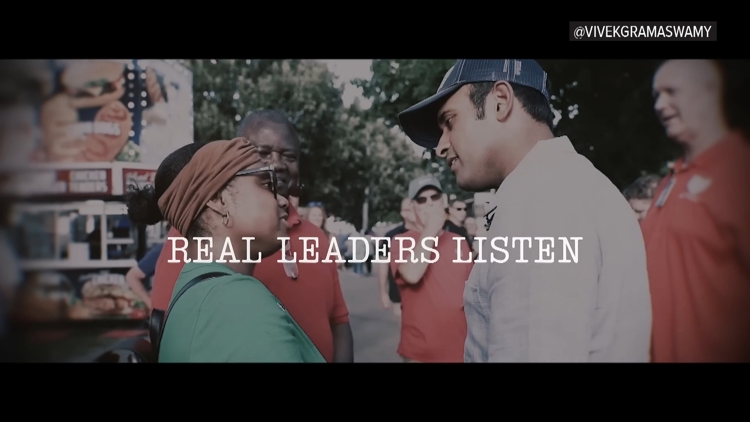
As the sun sets over Toledo, the air buzzes with the chatter of neighbors gathering on porches, sharing stories, and discussing the future. Yet, this year, the conversations are tinged with a sense of unease. Political ads are flooding the airwaves, and with them comes a wave of uncertainty that is testing the resolve of voters across Ohio. The stakes are high, and as campaigns pour millions into advertising, the question looms: will this barrage of messages engage or alienate the electorate?
The political landscape in Ohio is undergoing a seismic shift as candidates ramp up their campaigns ahead of the upcoming elections. According to data from the State of Ohio, campaign spending has reached unprecedented levels, with millions of dollars allocated to political advertising. This influx is not just a testament to the competitive nature of Ohio politics; it reflects a broader strategy to sway undecided voters in a state known for its pivotal role in national elections.
At the forefront of this discussion is Dr. David Kline, a political science professor at the University of Toledo. He suggests that while candidates may believe they are energizing the electorate, the opposite may be true. "The sheer volume of ads can lead to voter fatigue, causing people to disengage rather than engage," Kline explains. This phenomenon raises concerns about the effectiveness of such strategies and their potential to dishearten voters.
As the airwaves fill with messages—some hopeful, others divisive—residents find themselves bombarded by a constant stream of information. The impact is palpable, as families gather around their televisions, discussing the latest political ads and their implications for their community. This is not just about politics; it’s about the future of families and the values they hold dear.
In the heart of Toledo, community members express a mix of sentiments regarding the political ad surge. For many, the ads serve as a reminder of the importance of their voices in shaping local and national policies. However, others feel overwhelmed by the constant barrage of messages. “I want to be informed, but it’s becoming too much,” says Mary, a lifelong Toledo resident. “I feel like I’m drowning in opinions and negativity.”
Local coffee shops have become informal hubs for political discussion, with patrons sharing their thoughts on the candidates and their platforms. “We’re all trying to make sense of it,” says Tom, a barista at a popular café. “Sometimes, it feels like we’re just being sold a product rather than being engaged in a conversation about our future.” This sentiment resonates with many, highlighting the need for authentic dialogue in a time when political discourse often feels scripted and insincere.
The challenge of authenticity in political messaging is not lost on voters. Dr. Kline emphasizes that genuine engagement is crucial for fostering a healthy democratic process. “When voters feel that candidates are speaking to them as individuals rather than as numbers in a poll, they are more likely to participate,” he notes. This underscores the importance of campaigns focusing on building relationships rather than simply pushing advertisements.
As families gather for dinner, discussions often turn to the implications of the upcoming elections. “It’s about our kids’ futures,” says Sarah, a mother of two. “I want to make sure they inherit a community that values hard work, integrity, and commitment.” These values are at the heart of what many Toledoans believe, and they yearn for candidates who reflect those ideals.
As the political ad surge continues, local organizations are stepping up to fill the gap left by the overwhelming nature of campaign messaging. Groups like the Toledo Regional Chamber of Commerce and the Lucas County Democratic Party are actively working to engage voters through community forums, town hall meetings, and educational workshops. These initiatives aim to provide a platform for candidates to connect with constituents in a more meaningful way.
“We’re trying to create spaces where people can ask questions and get answers directly from the candidates,” says Jenna, a coordinator with the Toledo Regional Chamber. “It’s essential that voters feel empowered to make informed decisions, rather than just reacting to what they see on TV.” This proactive approach is crucial in a landscape where voters often feel bombarded by messages that lack substance.
Looking ahead, the question remains: how will this surge in political advertising influence voter turnout? With Election Day approaching, candidates will likely continue to invest heavily in their campaigns, but the real challenge lies in connecting with the electorate on a deeper level. As Dr. Kline suggests, the key may be in balancing the volume of ads with meaningful engagement.
For residents of Toledo, the hope is that the conversations sparked by these ads will lead to increased civic participation. Local organizations are working tirelessly to encourage voter registration and participation. Their initiatives aim to foster a sense of community and responsibility among citizens, reminding them that their voices matter.
As families prepare to cast their votes, they carry with them the hopes and dreams of their communities. The coming weeks will be crucial in determining whether the political ad surge will serve as a catalyst for engagement or a barrier to participation. Whatever the outcome, one thing is clear: Toledoans are ready to stand up for their values and shape the future of their beloved city.
As the election approaches, voters in Toledo are encouraged to take proactive steps to engage with the political process. This includes attending local forums, participating in community discussions, and utilizing social media to share their views and concerns. Engaging with candidates through platforms like Facebook Live and Twitter Town Halls can also provide direct interaction and foster a sense of community.
Additionally, grassroots organizations are mobilizing efforts to ensure that underrepresented voices are heard. Initiatives aimed at reaching out to young voters, minority communities, and first-time voters are crucial in creating a more inclusive electoral process. “We want to make sure everyone feels they have a stake in this election,” says Manuel, a volunteer with a local advocacy group. “Every vote matters, and we’re here to help people understand that.”
As the community navigates this turbulent political landscape, the hope is that Toledoans will emerge more united and engaged, ready to tackle the challenges ahead together. The coming weeks will not only shape the outcome of the elections but also define the character of the community moving forward.
By Rachel Thompson
By Rachel Thompson
By Rachel Thompson
By Rachel Thompson